
NorPix StreamPix
Seamless high-speed recording for hours, directly to your hard drive
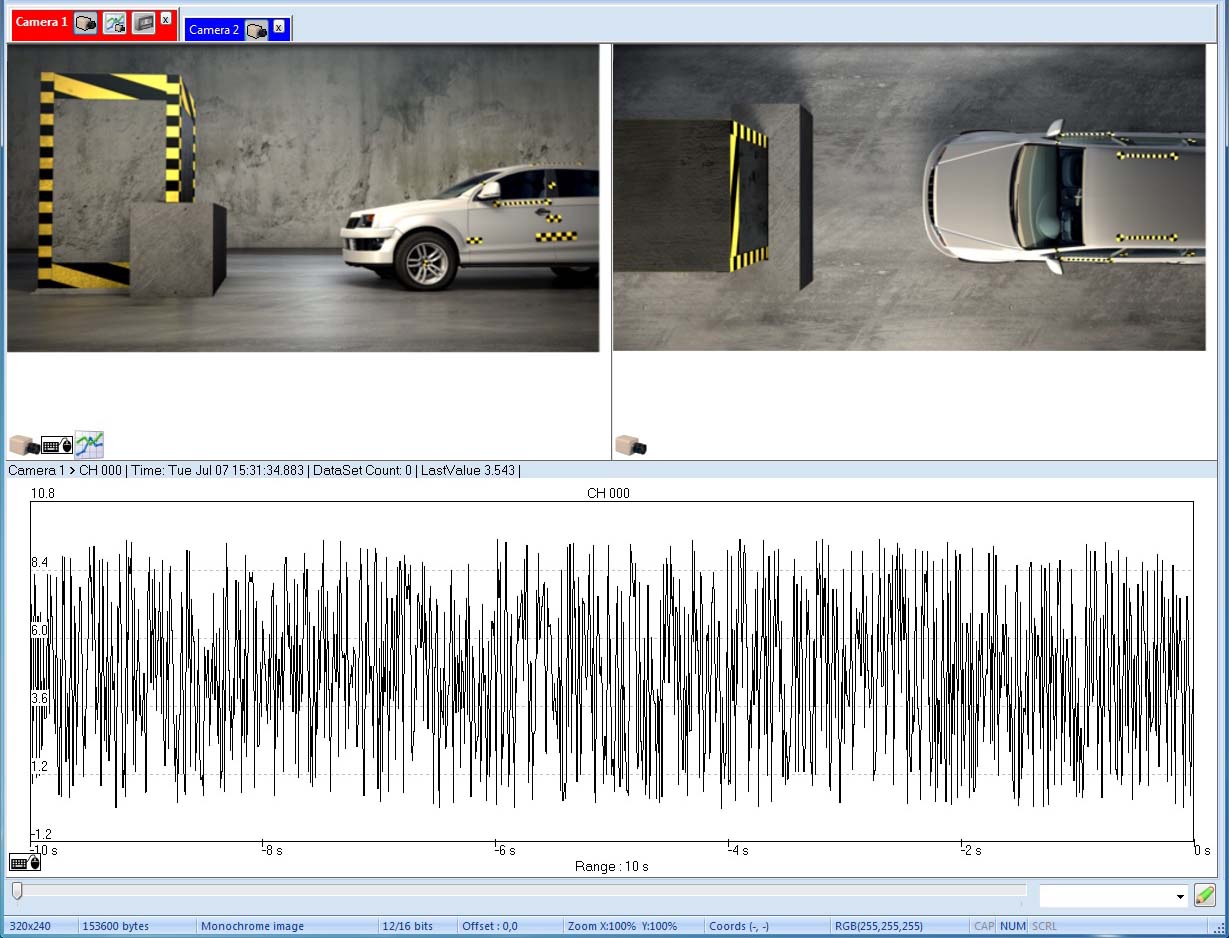
StreamPix is the leading software solution for high-speed video recording using industry-standard cameras. Where conventional software falls short, StreamPix enables true high-speed streaming directly to your hard drive—allowing you to analyze fast-moving processes not just in isolated instances, but seamlessly throughout the entire duration.
- Hours instead of seconds: Record high-speed video sequences continuously for hours directly to your SSD.
- Hardware flexibility: Use your existing camera infrastructure. StreamPix is compatible with hundreds of models from Basler, FLIR, Sony, and many others (GigE Vision, USB 3.0, CoaXPress).
- True high-speed streaming: Achieve frame rates ranging from several hundred to 1,000 fps (depending on resolution and camera) while maintaining full data integrity.
- Multi-camera power: Manage and synchronize an unlimited number of cameras through a single, intuitive user interface.
- More than just video: Capture and synchronize GPS data, timestamps (IRIG-B, PTP), or external measurement data (DAQ) in parallel with the video footage.
Technical Classification and Applications
The choice of the appropriate system architecture depends primarily on the required recording duration and the necessary frame rate. While StreamPix excels at continuous PC-based data acquisition, extremely short-duration processes or mobile measurement points often require different hardware solutions. For more information, please visit our Highspeed page.
Long-term video recording: Continuous recording of processes for minutes or hours (direct-to-disk) with no time limit, thanks to the camera's internal RAM.
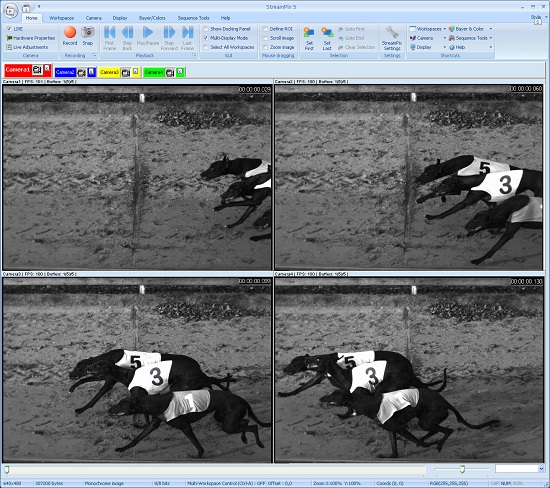
Synchronized multi-camera systems: Simultaneous recording and display of multiple cameras (e.g., Basler, FLIR) via a central interface.
Industrial process analysis: Documentation of processes at frame rates ranging from 100 to 1,000 fps, as typically found in packaging, filling, or assembly technology.
Integrated data acquisition: Applications that require the synchronous recording of metadata (GPS, timestamps, DAQ measurements) alongside the video image.
Ultra-short events at extreme frame rates: Physical phenomena that require frame rates exceeding 1,000 (e.g., very fast industrial processes, ballistics, or airbag tests).
PC-free standalone applications: Applications in extremely confined spaces or at mobile measurement points where a PC connection is not possible.
Data rates exceeding the interface specification: Scenarios in which the required bandwidth exceeds the capacity of GigE Vision, USB 3.0, or CoaXPress, making internal camera buffering essential.
Mobile ad hoc recording: Quick, flexible operations without the need for a fixed PC infrastructure or long-term archiving.
Real-time compression and maximum data rates
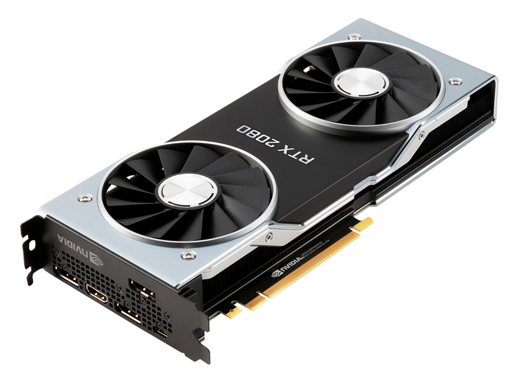
StreamPix is optimized for extreme data throughput and supports write rates of up to 22 gigabytes per second. By utilizing NVIDIA CUDA GPU acceleration, high-resolution video data can be compressed in real time (e.g., as H.264 or JPEG). This reduces storage capacity requirements and eliminates the need for costly, complex RAID-0 systems without placing a burden on the host computer’s CPU.
Precise synchronization and multi-camera management
The software enables the simultaneous control and recording of a virtually unlimited number of cameras via a single user interface. Each individual frame is time-stamped with microsecond precision. For scientific applications, external time sources such as GPS or IRIG-B can be integrated. In addition, external signals (audio, DAQ) can be captured in perfect synchronization with the video stream, enabling seamless correlation of the data.
Flexible triggering and pre/post-recording
StreamPix offers advanced trigger options for automated recording. Using the pre/post-event function, the software can continuously record to a ring buffer. Only when an external signal (trigger) is received are the sequences before and after the event permanently saved. This is essential for capturing sporadic errors or fast-moving processes where the exact timing of the event cannot be predicted.
Further information
Contact us
Our experts will be happy to help you. Get in touch with us!